
Cradle to Cradle
Was bedeutet Cradle to Cradle bei Kleidung?
Cradle to Cradle bedeutet, dass ein Kleidungsstück am Ende kein Abfall ist. Es geht entweder als biologischer Nährstoff zurück in die Natur oder wird technisch wiederverwertet. Für unsere C2C-Kollektion verwenden wir einen Stoff, den Wolford dafür entwickelt und zertifizieren lassen hat.

The Circle of Life
From the earth, back to the earth.
To see with our own eyes how quickly our clothes are reintegrated into nature, we started a composting experiment. In the spring, we buried some models in the compost heap and in the summer we checked how far the decomposition process had progressed. In fact, only the rough framework of the textiles remained, the items of clothing were already full of holes and it was hardly possible to tell which model the remains were. In the autumn, we looked again and it was not so easy to find anything left. In the end, we were able to identify some fabric remnants. However, these were so small that we assume that they will be completely returned to the cycle of nature by the onset of winter and will no longer be visible to our eyes.
This is what Cradle To Cradle means to us
Cradle to Cradle Certified™, or C2C for short, is a globally recognized measure for safer and more sustainable products for the circular economy.
But what does this mean in our context for sustainable, fair clothing?
Did you know that with every wash of synthetic clothing, countless plastic microparticles from the clothing end up in the wastewater and, since they cannot be filtered out by sewage treatment plants, enter the natural cycle and remain there?
According to “Fashion Revolution”, it takes 20 to 200 years for the elastane used in sportswear to decompose!
Once a Lounge Cherie model – manufactured according to the C2C principle – has finished its service and is ready to be composted, it decomposes into organic nutrients.
Circular Economy & Sustainability
We are using – according to Cradle to Cradle
principle – produced material has once again taken a huge step towards true sustainability.
In concrete terms, this means:
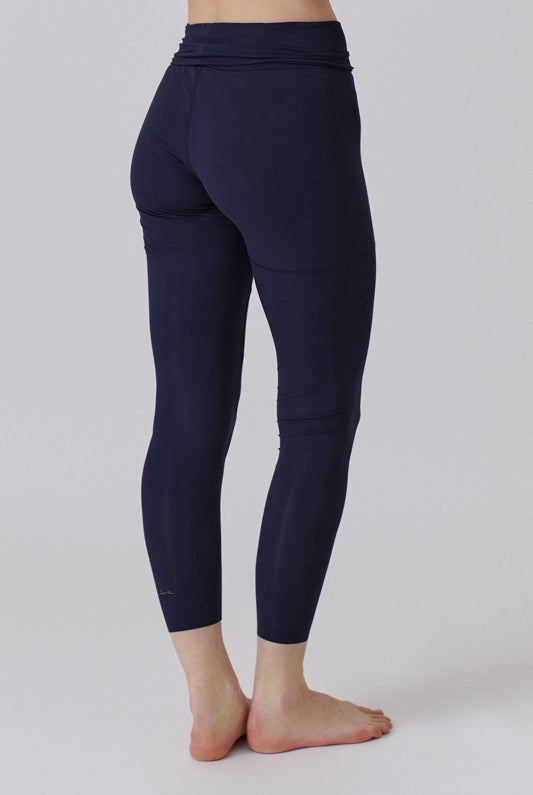
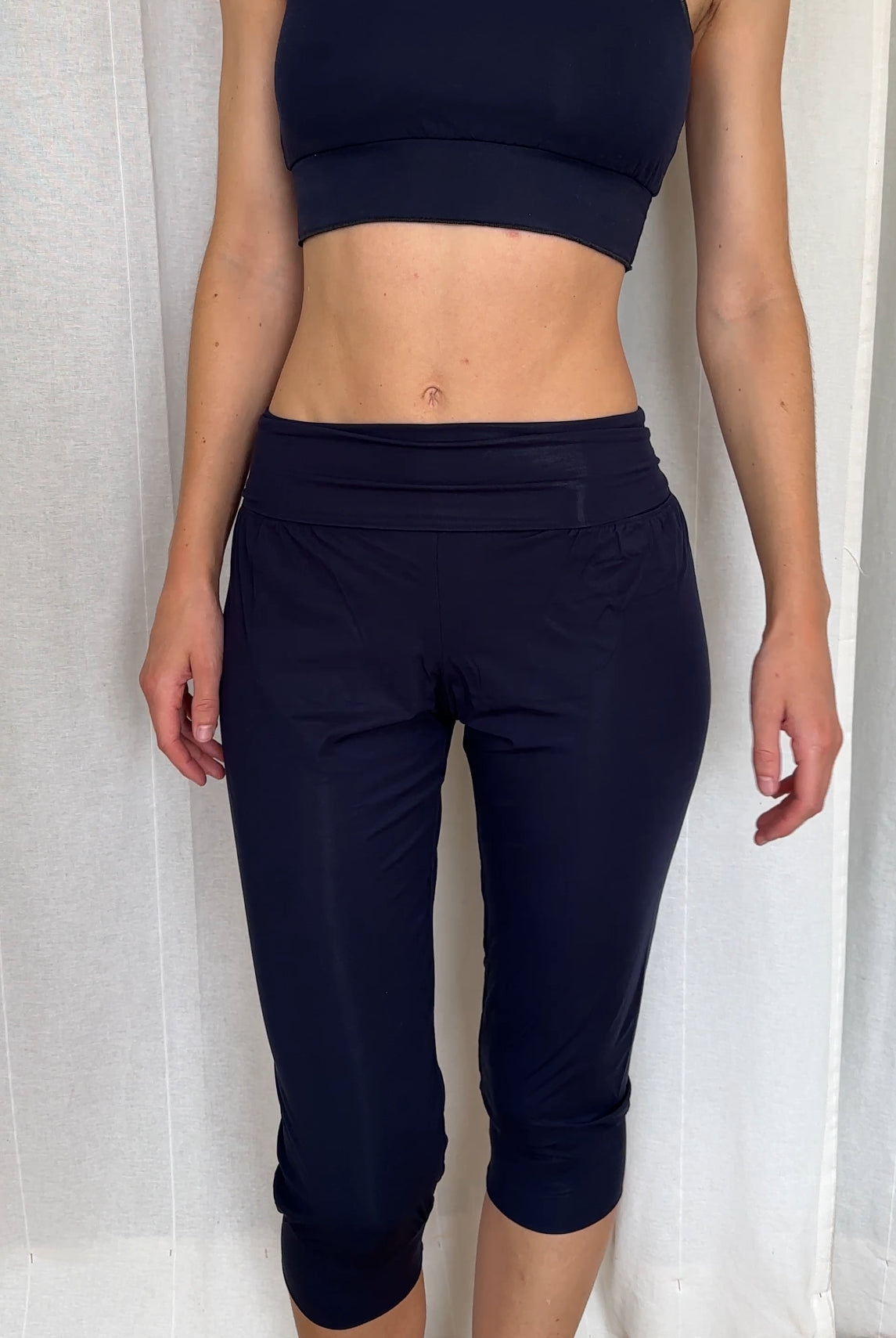
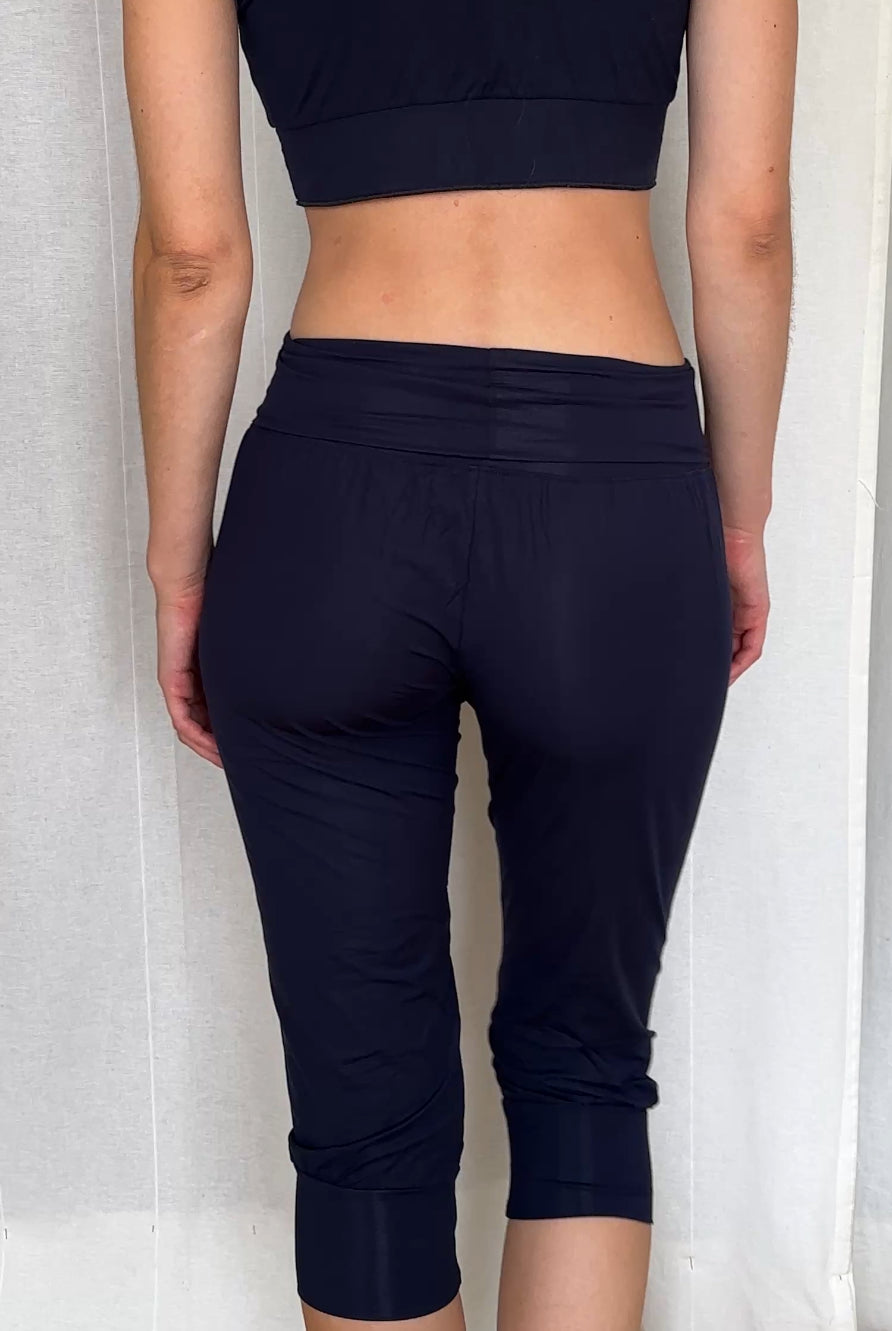
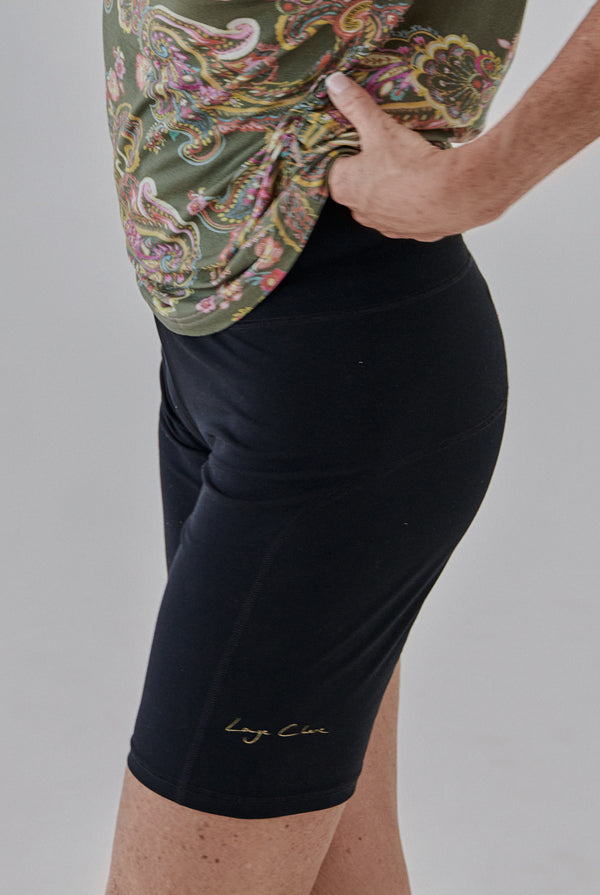
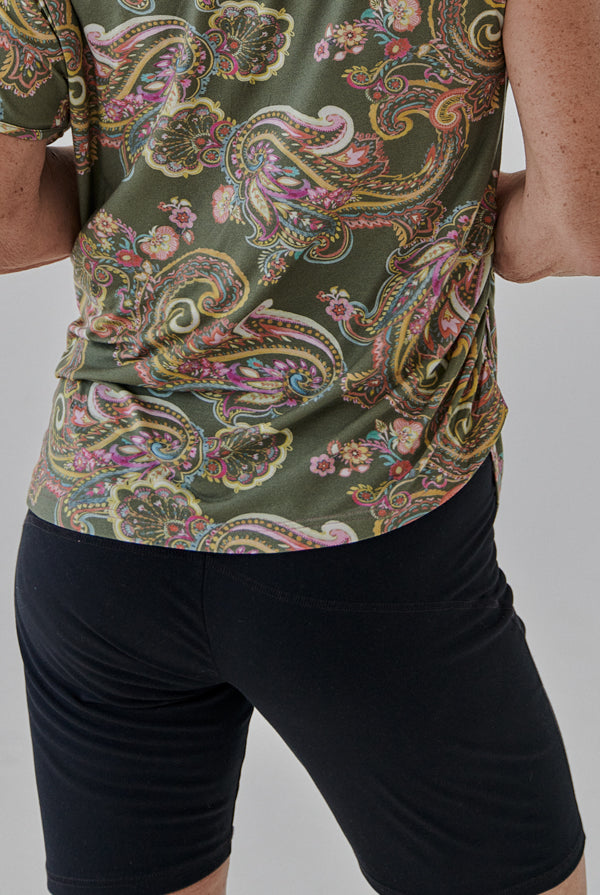
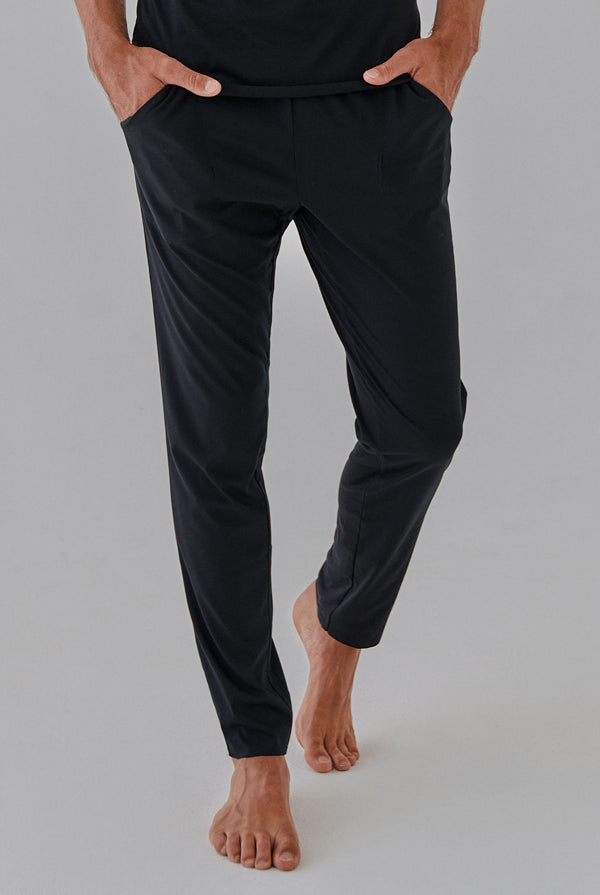
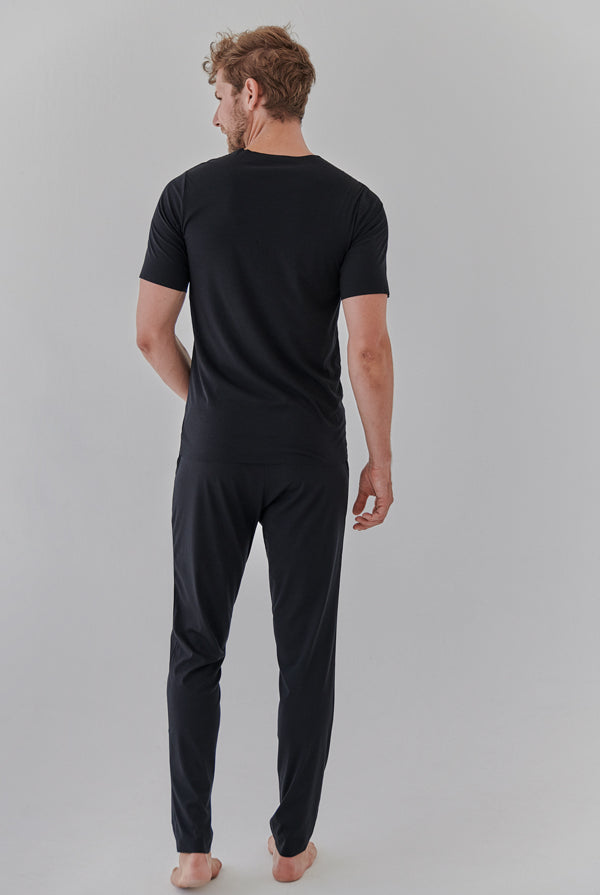
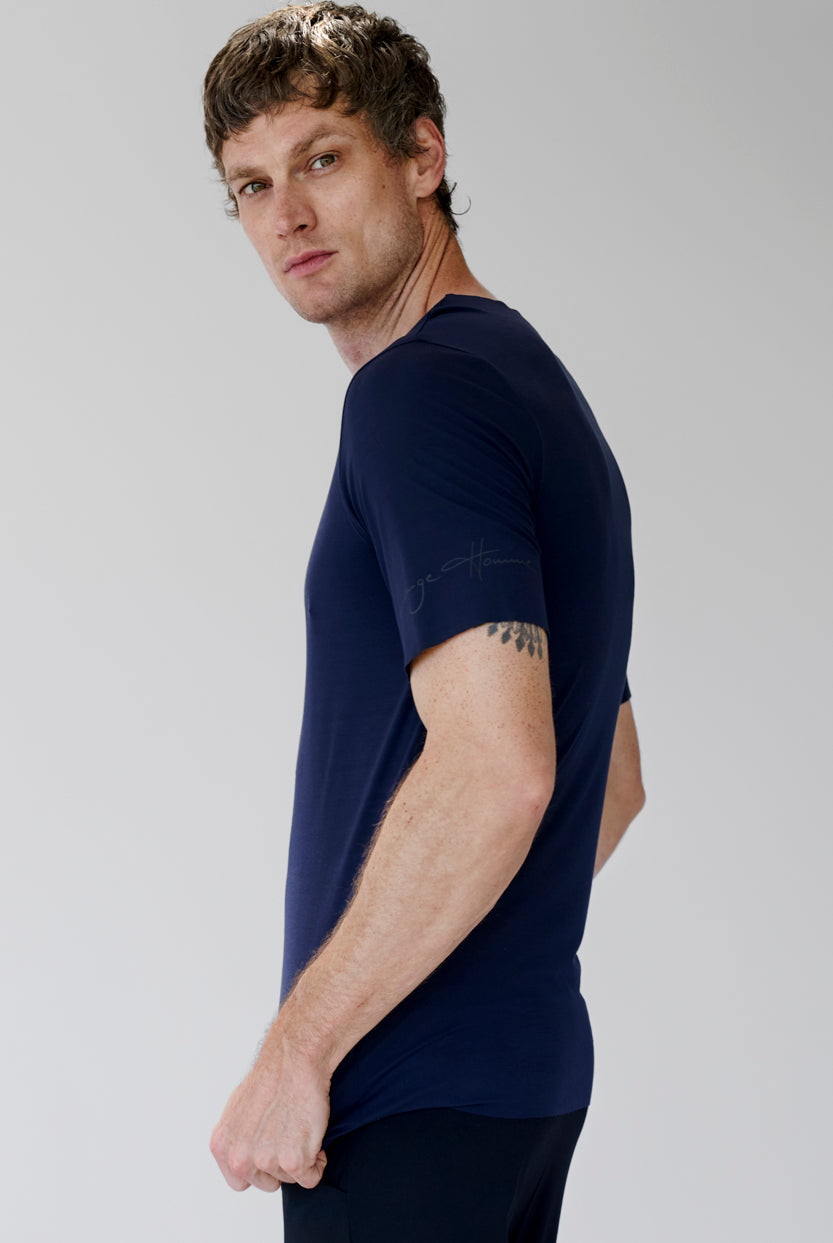
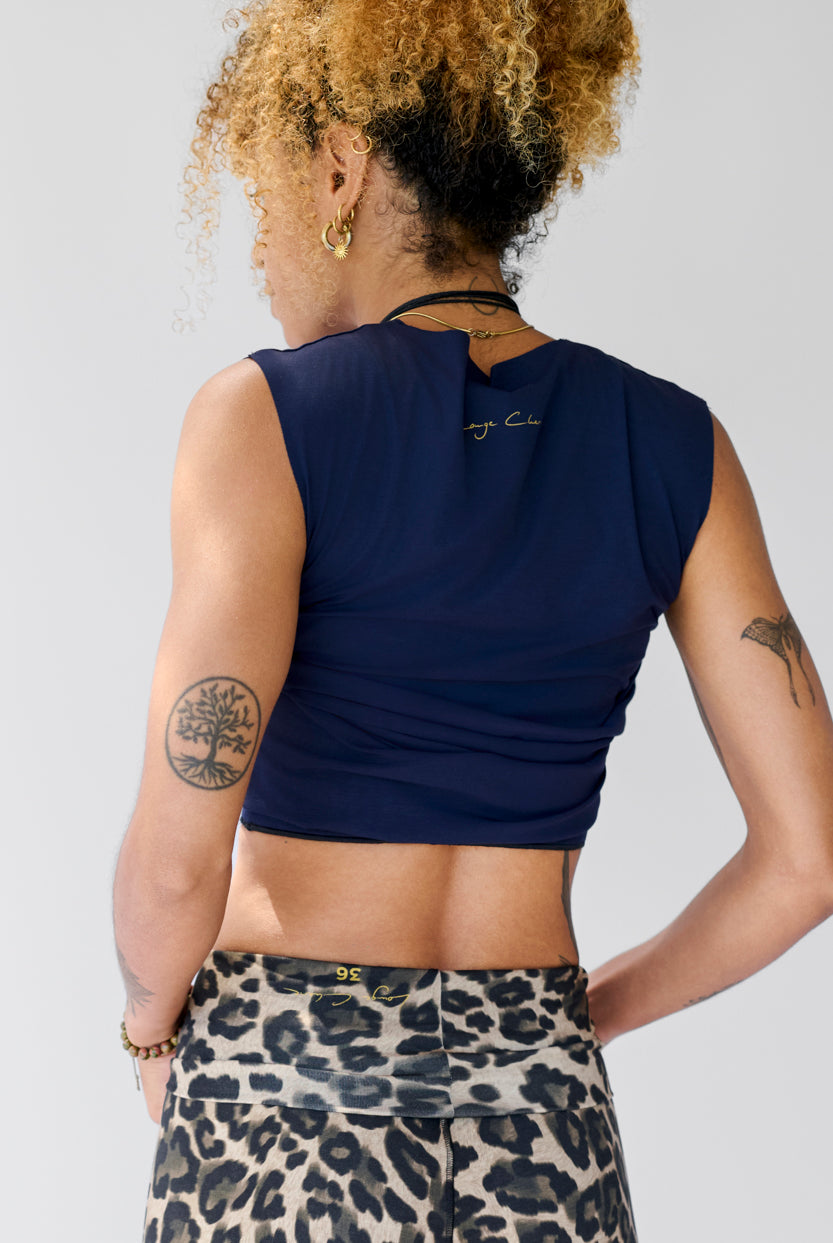
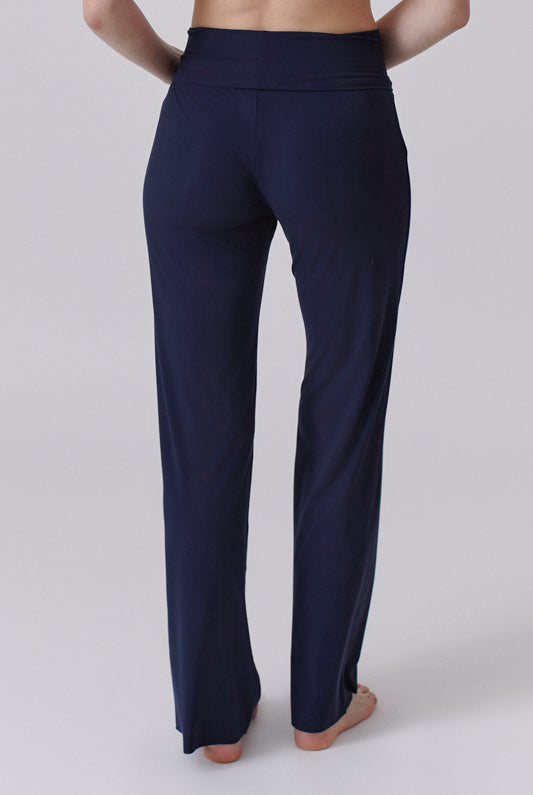
The elastane used breaks down at the end of its life without releasing harmful substances into the environment. This applies to almost all items from the latest collections - take a look:























































































































































Gut zu wissen
Häufige Fragen
Was mache ich mit einem C2C Teil, wenn es ausgedient hat?
Auf den Kompost. Nicht in den Restmüll und nicht in den Biomüll, denn kommunale Biotonnen sind auf Küchenabfälle ausgelegt. Wichtiger ist aber: Trag es so lange wie möglich. Die Abbaubarkeit ist der letzte Schritt, nicht der erste.
Wie lange dauert der Abbau genau?
Im biologischen Kreislauf etwa 60 Tage unter geeigneten Bedingungen. Auf einem Gartenkompost dauert es länger, bei uns waren es mehrere Monate, wie unser Experiment gezeigt hat. Temperatur und Feuchtigkeit machen den Unterschied.
In welchen Farben gibt es die C2C-Kollektion?
In Schwarz, Weiß, Stone und Navy. Das ist eine bewusste Entscheidung. Diese vier Töne lassen sich untereinander und mit allem anderen im Schrank kombinieren, und sie gehen nicht aus der Mode. Wer ein Teil ersetzt, bekommt bei uns auch in zwei Jahren noch dieselbe Farbe. Bei Saisonfarben wäre das nicht so.
Ist das Kleidungsstück selbst zertifiziert?
Nein. Zertifiziert ist der Stoff, den wir verarbeiten. Eine eigene Zertifizierung des fertigen Teils wäre für einen Betrieb unserer Größe nicht finanzierbar.
Hält C2C-Kleidung genauso lange?
Ja. Der Abbau beginnt erst unter Kompostbedingungen, also bei Feuchtigkeit, Wärme und Mikroorganismen. Im Kleiderschrank und in der Waschmaschine passiert nichts.
Was ist Cradle to Cradle überhaupt?
Ein Zertifizierungssystem für Produkte, die in Kreisläufen gedacht sind. Bewertet werden unter anderem Materialgesundheit, Kreislauffähigkeit, Energie und Wasser. Es gibt fünf Stufen von Basic bis Platinum.